


LPP to Showcase Autonomous Systems for GNSS-Denied Operations at Future Forces 2026
30.09.2026
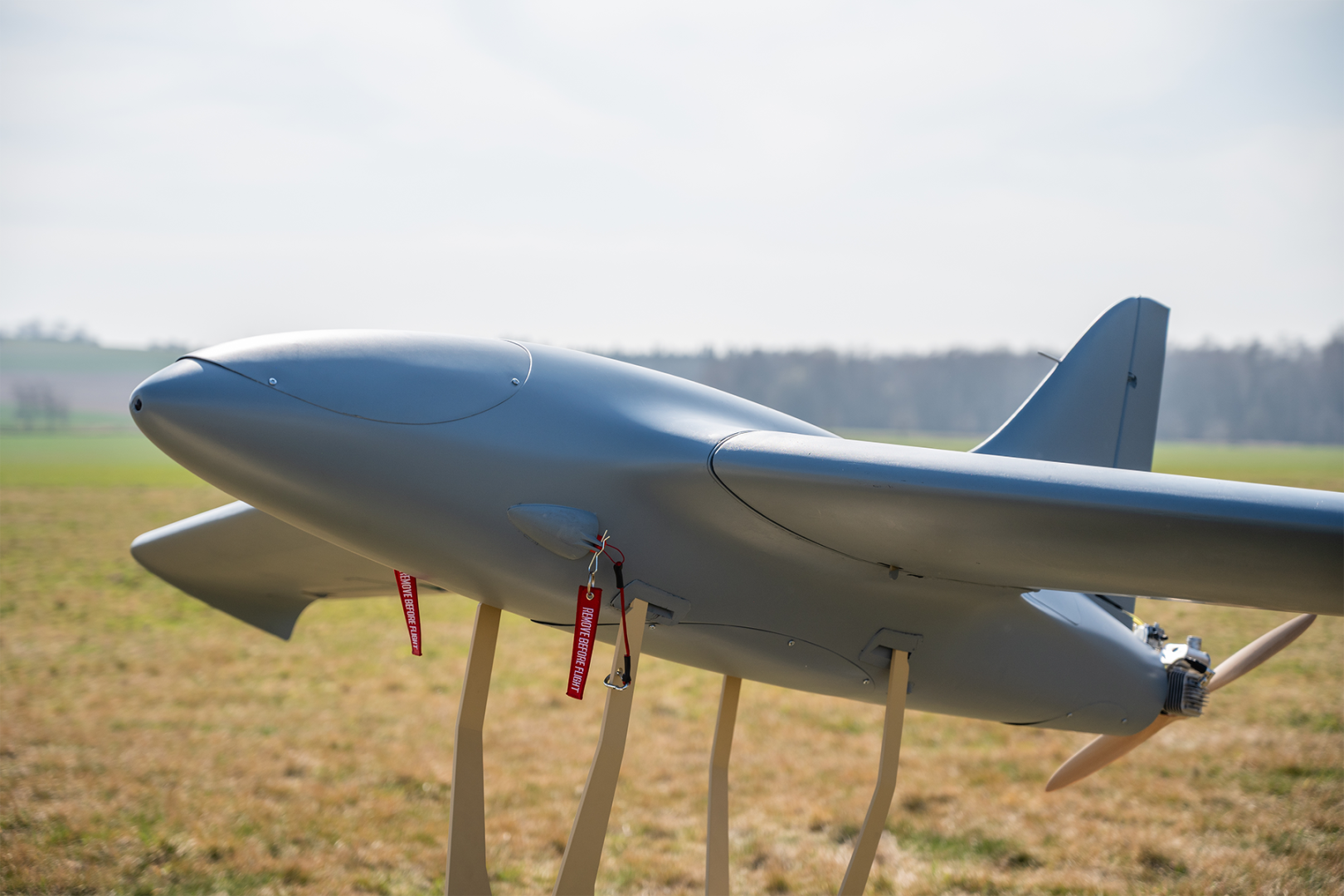
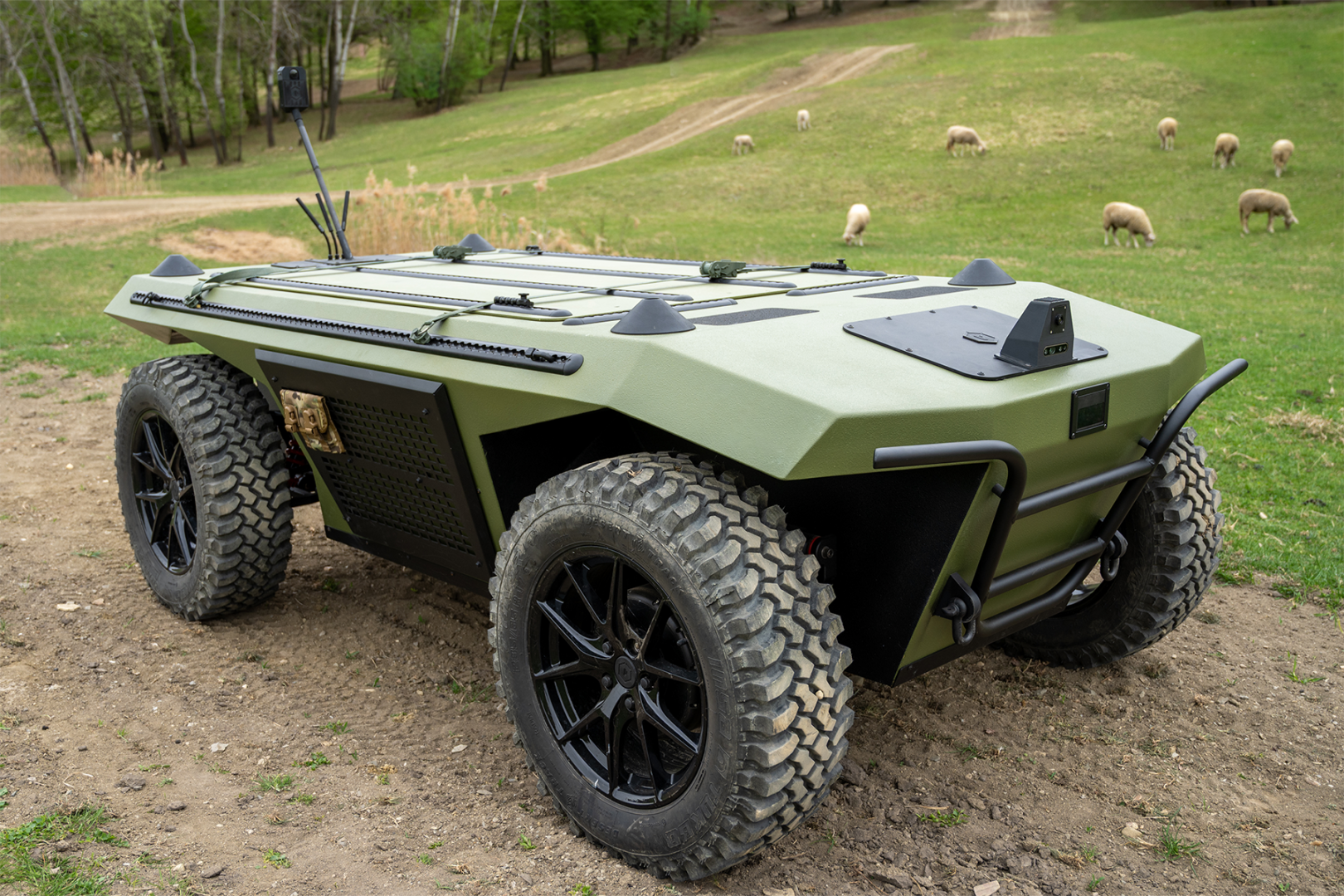
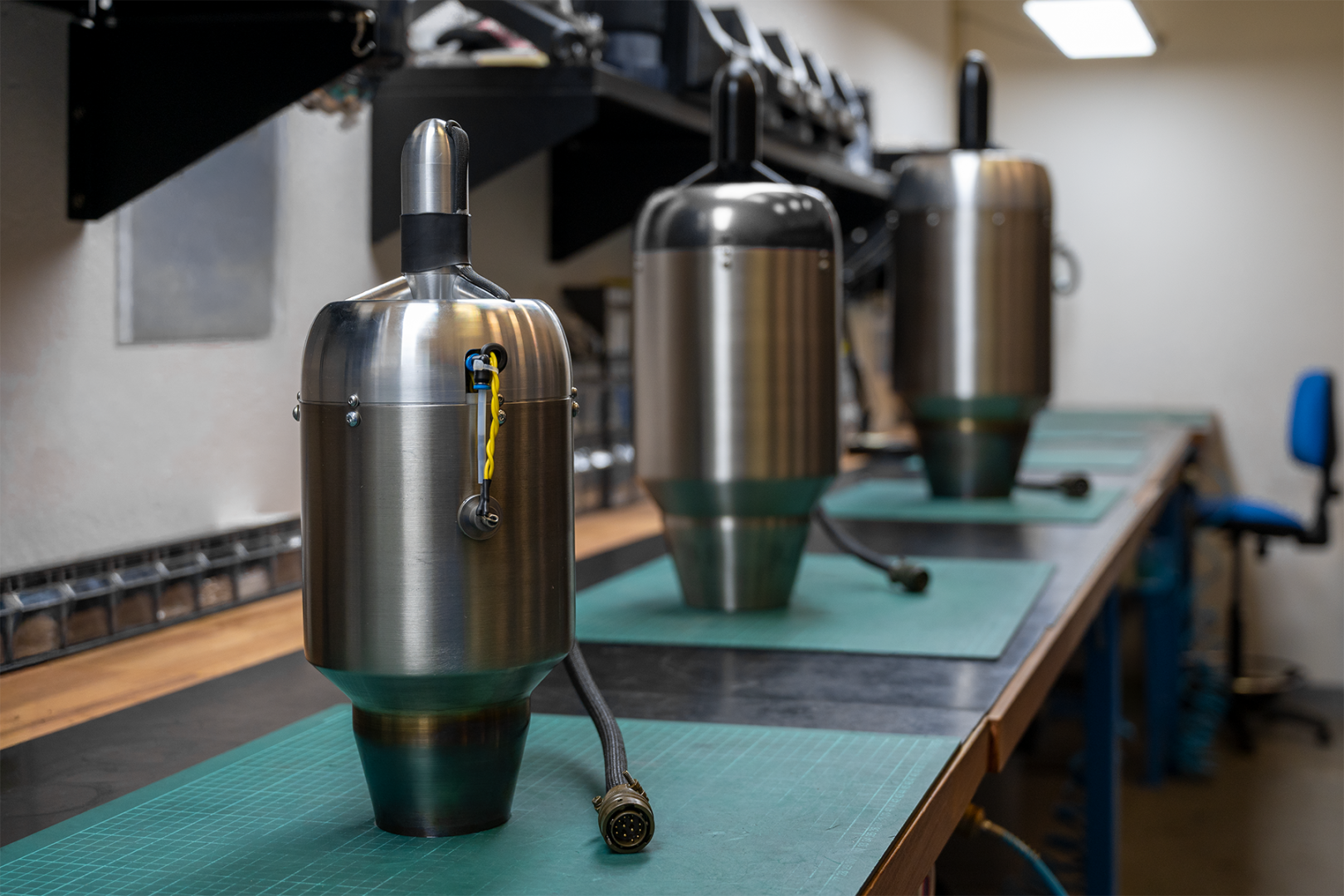
Czech defence technology company LPP s.r.o. will present its latest autonomous systems at Future Forces Exhibition & Forum 2026, highlighting technologies designed to operate in environments where satellite navigation is degraded, disrupted or entirely unavailable.
LPP develops and manufactures a significant share of its critical technologies in-house, including unmanned platforms, turbojet propulsion systems, avionics, navigation solutions, autopilots and mission software. This vertically integrated approach gives the company greater control over both critical technologies and its supply chain.
A central theme of the LPP exhibit will be autonomous operation in GNSS-denied environments. The company’s proprietary Visual Navigation technology combines onboard sensor data, visual odometry and image matching against map data to determine a platform’s position without relying on GNSS or other external navigation signals. The technology is already integrated across several LPP aerial platforms.
Systems and Technologies on Display
- MTS – Autonomous UAV System
An autonomous unmanned aerial system designed for one-way strike missions. MTS combines LPP’s proprietary Visual Navigation technology with its in-house autopilot, allowing the platform to continue autonomous flight in GNSS-denied conditions. It offers a range of up to 650 km, endurance of up to 9 hours and a modular payload architecture. MTS technology has already been proven in combat operations under conditions where satellite navigation was unavailable. - MTS Narwhal Cruise Missile
A ground-launched, subsonic, turbojet-powered cruise missile based on the same Visual Navigation technology used across the MTS family. Narwhal is designed for operations deep inside heavily contested electronic-warfare environments. Depending on the configuration, the system can carry warheads weighing from 40 to 200 kg, achieve a range of up to 772 km and reach speeds of up to 750 km/h. - MTS Nightray Stealth UAS
A flying-wing unmanned aerial system developed for reduced detectability and missions against high-value targets. The platform combines Visual Navigation, LPP’s proprietary autopilot, a flying-wing airframe, radar-optimised materials and an integrated turbojet engine. Nightray offers a range of up to 400 km and a maximum speed of 500 km/h. - JWI-4000 Interceptor
A comprehensive counter-UAS solution designed to intercept and neutralise hostile unmanned aerial systems. The system includes an interceptor, base and ground stations, radar, a resilient multi-band communication system and a launch catapult. The JWI-4000 reaches speeds of up to 300 km/h and can operate at altitudes of up to 4,000 metres. It can also be integrated with existing air-defence architectures. - Starfish
A multi-role autonomous UAV platform combining an unmanned aircraft with LPP’s proprietary software environment. Its capabilities include AI-based threat detection and real-time object recognition, 3D mapping, interchangeable payloads and coordinated operation of multiple unmanned platforms. A single system can be configured for tactical missions, critical-infrastructure protection, border surveillance, or use by emergency and security services. - ZT J40 Turbojet Engine
Part of LPP’s proprietary family of compact turbojet engines developed for UAVs, target drones and light aerial platforms. The ZT J product family ranges from the ZT J23 to the ZT J160. LPP provides the complete development and production of these propulsion units as well as technical support for their integration into specific platforms. - HORNET Autonomous UGV
A lightweight autonomous ground vehicle primarily designed for logistics support, with the ability to be adapted for reconnaissance, medical, CBRN and other support missions. Its autonomous navigation system combines LiDAR, an inertial measurement unit, terrain segmentation and object recognition, enabling the vehicle to navigate to predefined waypoints without requiring prior mapping of the environment. HORNET is also designed for operation in GNSS-denied conditions.
A common feature across LPP’s portfolio is the high proportion of proprietary Czech-developed technology. In addition to developing the aerial and ground platforms themselves, LPP designs its own autopilots, navigation systems, electronics, propulsion units and mission software.
Beyond autonomous systems, the company also supplies advanced avionics for manned aircraft and software solutions for intelligence and security applications, including advanced video analysis.
-
22.10.2026
Meet the Winners of the Future Forces Innovation Awards 2026!
-
21.10.2026
TRL Defense Is Changing the Defence Supply Model, Offering Nations Greater Sovereignty
-
21.10.2026
European Commissioner Andrius Kubilius to deliver keynote speech at Future Forces 2026
-
21.10.2026
EXHIBITOR LIST, FLOOR PLAN & PROGRAMME
-
20.10.2026
OptiDynex & ARMDEF at Future Forces 2026
-
18.10.2026
A suspicious package. A critical moment. GARANT presents the Air Marshall Bag AMB
-
18.10.2026
Drone down. Danger over? GARANT presents the DSR at Future Forces 2026
-
17.10.2026
Finnish defence technology company Bittium showcases secure and resilient communications at Future Forces 2026
-
16.10.2026
HICO to Exhibit at Future Forces 2026
-
15.10.2026
CZ to Showcase Its Comprehensive Portfolio for Armed Forces at Future Forces 2026